
Posted by Dr. Julian De Silva | April 28th, 2022
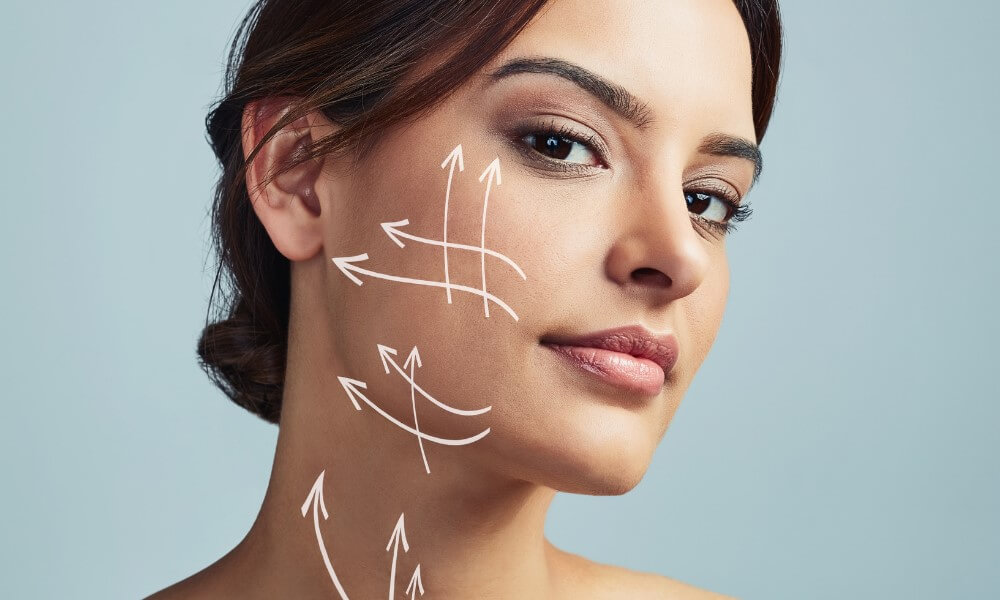
Certain measures facilitate faster recovery after facial surgery.
Most of my patients want faster recovery after facial surgery and to get back to doing normal activities as soon as possible. Hence, I, Dr. Julian De Silva, have developed a range of treatments based on the latest scientific evidence to aid healing and recovery. A combination of treatments is often best indicated that is tailored to the specific facial surgery, including facelift, neck lift, blepharoplasty and rhinoplasty.
In this article, we will talk about the treatments that help patients recover faster and the measures you can take for faster recovery after facial surgery.
The two main aspects of healing are swelling and bruising, so most of these measures are focused on reducing these as soon as possible after plastic surgery.
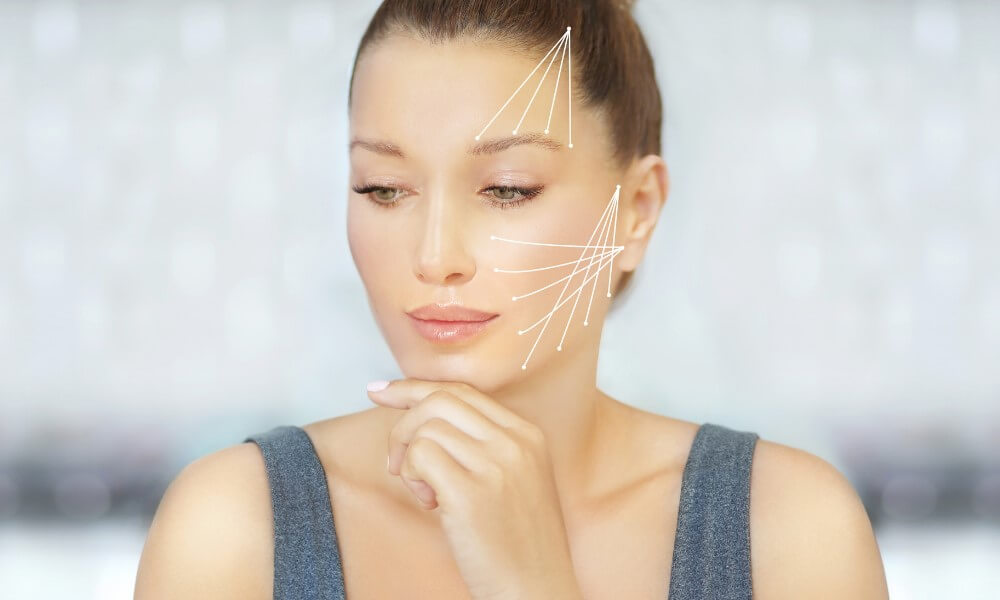
How long one can recover from facial surgery varies.
In general, I advise patients to take at least three weeks to rest before getting back to joining social events. However, some patients take longer. Given this, how long one recovers from facial surgery varies.
Fortunately, certain treatments can help you recover faster after facial surgery. Here are the treatments for faster recovery after facial surgery:

Proper rest helps you recover faster after facial surgery.
I highly stress the importance of resting after facial surgery. It’s because, during sleep, your body does a lot of healing.
Since your body does the majority of its healing while you’re asleep, it’s crucial that you take naps and sleep at least eight hours each night. In addition, when your body feels tired, it means that your body has some healing to do.
Moreover, facial surgery isn’t just stressful on the day of the procedure. In fact, several patients struggle with emotional or psychological issues for weeks or months after the procedure. Most of these issues are related to the procedure they had, so they need a lot of rest.
Proper rest and adequate time are needed for patients to heal mentally and accept the procedure they had. Hence, having two to three weeks of rest without any intense activities such as exercising will promote faster recovery from facial surgery. While many of my patients lead busy lives, my staff and I make sure that they take time to rest after getting surgery.
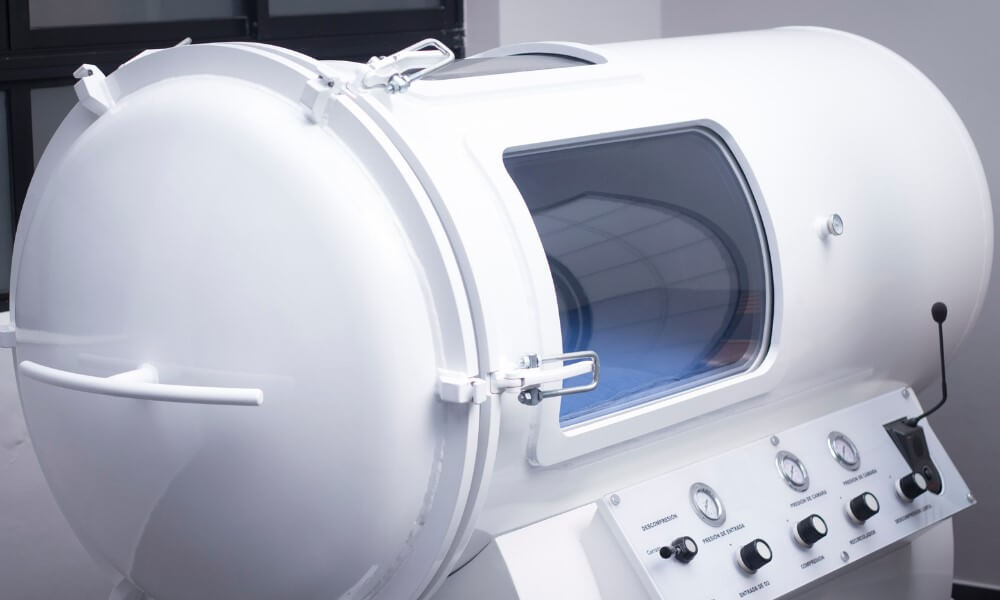
Oxygen therapy helps with maintenance after facelift.
During this treatment, the patient breathes pure oxygen in a pressurised environment. Originally, hyperbaric oxygen therapy was designed to treat decompression sickness, a potential risk of scuba diving.
Over time, oxygen therapy became a treatment for serious infections, bubbles of air in your blood vessels, and wounds that may not heal as a result of radiation injury or diabetes. In the cosmetic world, oxygen therapy is used to help patients recover faster from facial surgery.
Hyperbaric oxygen therapy chambers increase air pressure up to three times that of normal air. As a result, the lungs can gather much more oxygen than they would be able to do breathing pure oxygen at normal air pressure.
This extra oxygen in your blood helps fight bacteria and stimulates the release of substances called growth factors and stem cells, which promote healing.
To function properly, your body’s tissues need an adequate amount of oxygen. Injured tissues require even more oxygen to survive. Hyperbaric oxygen therapy increases blood oxygen levels. Following repeated scheduled treatments, the temporary extra high oxygen levels encourage normal tissue oxygen levels, even after the therapy has ended.
I, Dr. De Silva, offer all patients hyperbaric oxygen therapy, which has been scientifically proven to enhance recovery after surgery. Aside from this, oxygen therapy can improve your health.
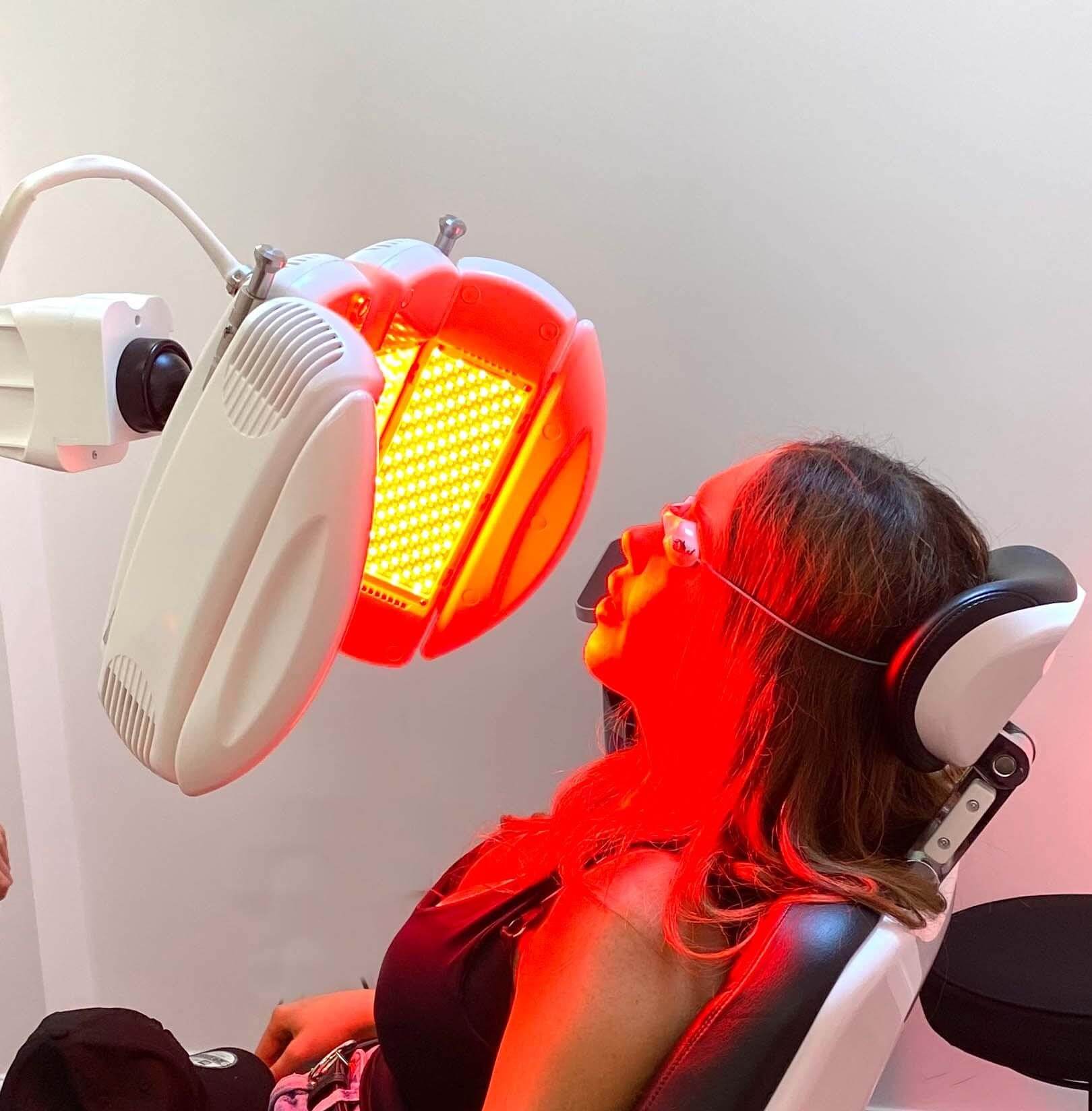
Light therapy can help facilitate faster recovery after facial surgery.
Part of healing after surgery included a healing process (termed inflammation) this can be seen as areas of pink colouration or redness, which is your body’s natural healing mechanisms . Light therapy or LED therapy enhances recovery of the skin and healing as well as being as a treatment for the skin in its own right.
LED (Light Emitting Diode) therapy uses light-emitting diodes for a variety of medical and aesthetic purposes. People of all ages and skin tones can benefit from this type of light therapy, which has been around for some time. Additionally, it can be combined with other procedures, such as facials and radiofrequency treatment, without any adverse effects.
How does LED therapy work?
As a result of ageing, healthy cells are compromised and sustain damage. Skin has the ability to absorb wavelengths of light and use it as a source of energy to activate specific cellular processes. LED therapy uses clinically proven wavelengths to recharge these cells energising them to heal quicker and rejuvenate faster, promoting healing from the inside out.
The energy enhances cellular processes which in turn stimulate and build collagen and accelerates tissue repair. Scientific studies have shown that skin cells can regenerate themselves from 150% to 200% faster when exposed to certain LED wavelengths and hydration can be increased by up to 600%. This whole process results in radiant, youthful and naturally healthy skin.
LED Red
Red light type works wonders for skin rejuvenation and healing. It has a powerful anti-ageing and anti-inflammatory effect on the skin. LED Red benefits include:
LED Blue
Blue light has powerful anti-bacterial properties that decongest and purify skin and help to normalise oil production. LED Blue benefits include:
LED Near Infra-Red
For Anti-Ageing, Pigmentation, Wound Healing and Scars. Near Infra-Red is the most deeply absorbed wavelength by skin tissue and works synergistically with red light to achieve optimum rejuvenation and repair. LED Near Infra-Red benefits include:
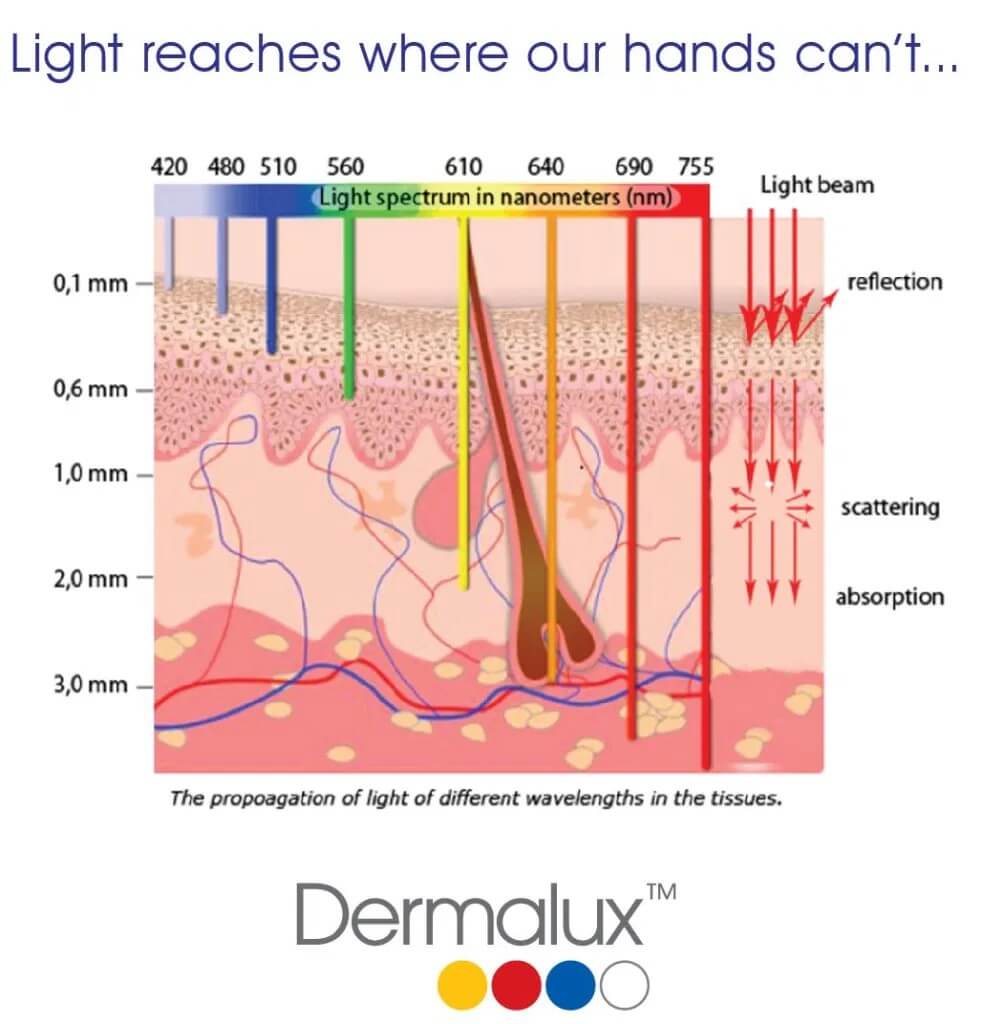
The machine that I, Dr De Silva uses includes Combined Therapy (Tri-Wave Therapy with all 3 Wave Lengths), which is a large machine the size a desk, which provided more powerful treatment than currently available in home devices.
To enhance healing and recovery after surgery, I offer all of my patients complementary LED therapy.
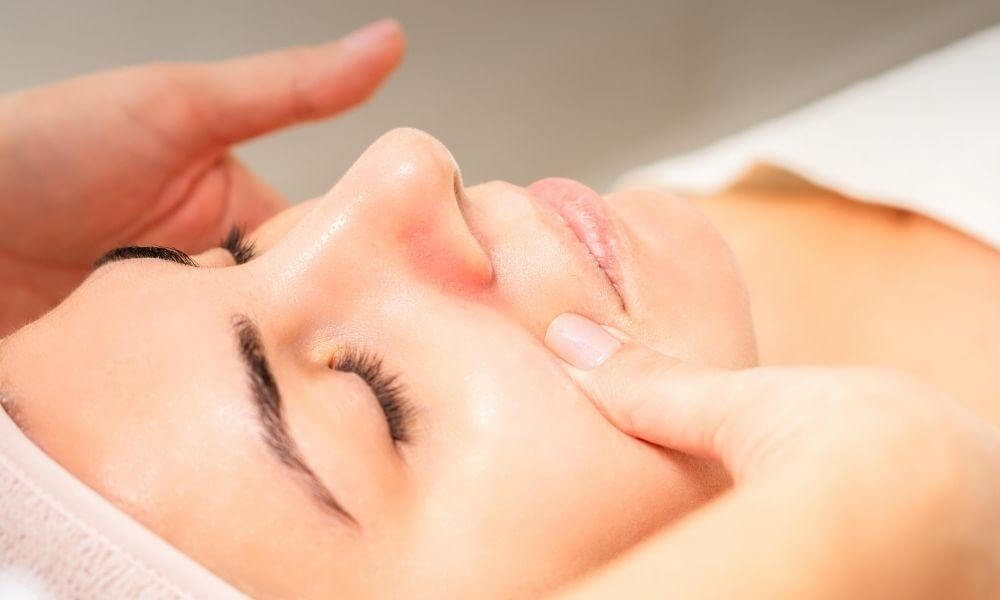
MLD helps reduce swelling after facial surgery.
MLD or Manual Lymphatic Drainage is a gentle form of massage that helps move lymphatic fluid out of swollen limbs. However, a traditional massage should not be confused with MLD.
This treatment is specifically aimed at lymph vessels so that lymphatic fluid can flow freely. Your unaffected areas first get the treatment. As a result, the fluid moves out of the affected area. This decongests the said region.
MLD also helps open the remaining functioning lymph collectors. The treatment then helps move the protein and fluid into them. In addition, MLD helps speed up lymph fluid flow through the lymphatics.
More often than not, manual lymphatic drainage gets recommended as a treatment plan. This means that it can be combined with other forms of treatment.
My clinic helps organise MLD for our patients to help reduce swelling caused by facial surgery faster. We have skilled specialists who we recommend our patients to see, alternatively there is a national database that can be used to find a specialist local to you. Each therapist is unique and there is a degree of personal customisation of MLD techniques.

Cold therapy decreases swelling and discomfort after facial surgery.
Cold therapy or cryotherapy is another treatment that facilitates faster recovery after facial surgery. It is similar to pressing an ice pack on a swollen knee or ankle or knee. By doing this, you are relieving pain with a modern (although basic) version of cool therapy.
In particular, cold therapy can be applied in several ways such as using coolant sprays, ice packs, ice massage, ice baths, and whirlpools.
When used to treat injuries at home, cold or cool therapy refers to remedies involving frozen peas or gel and ice packs left in the freezer until needed. Interestingly, this remains one of the most basic, yet time-tested remedies for managing swelling and pain.
Specifically speaking, cold therapy can reduce swelling, which is linked to pain. Hence, cold therapy can decrease one’s sensitivity to pain. Cold therapy can also work when one wants to manage swelling with pain, especially those around tendons and joints. Cool therapy acts to counter swelling, reduce bleeding, swelling and inflammations, by reducing the level of oxygen required by the damaged tissue, as well as helping eliminate harmful substances by activating lymph drainage, which serves to accelerate the regeneration of the tissue concerned.
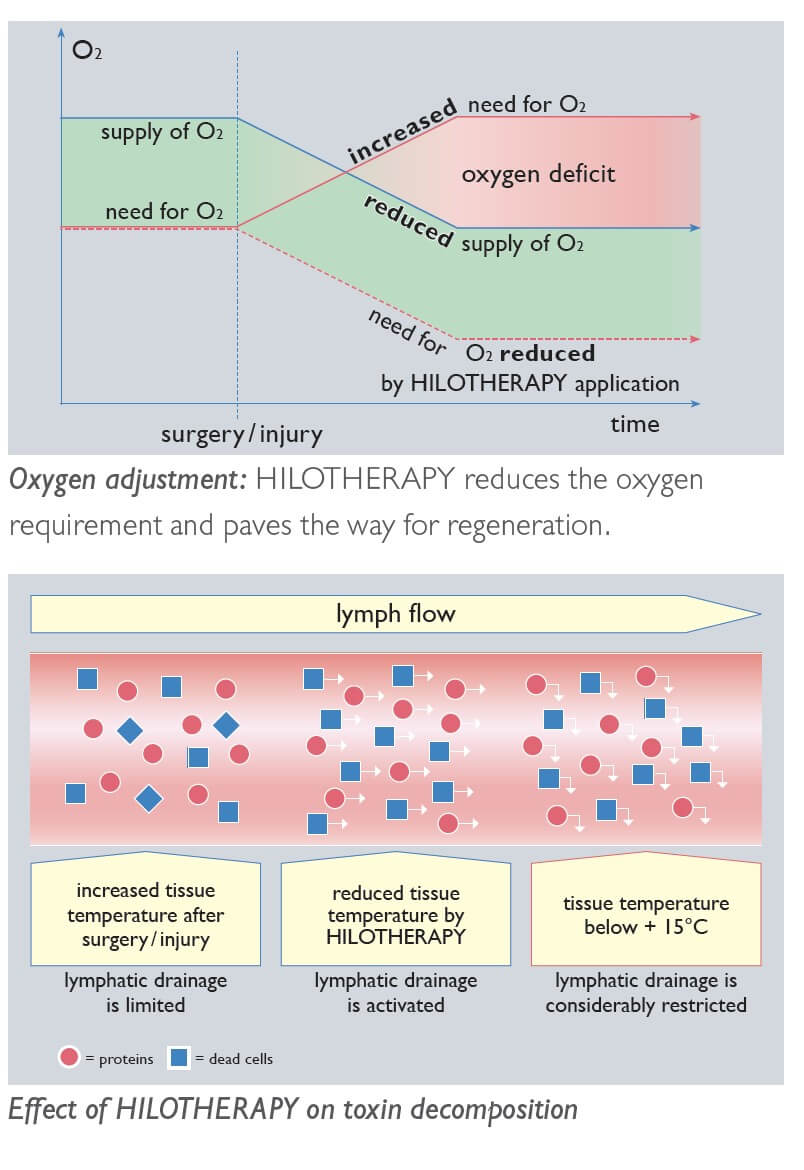
Science behind cooling therapy
For years, the cold temperature has been known to provide people comfort, relieve them from pain, decrease swelling, and facilitate faster recovery after facial surgery. Hence, I invested in the latest technology to enhance recovery using a treatment that involves 24-hour cooling of your face after surgery so that you heal faster.
Regenerative medicine or PRP therapy helps with maintenance after facelift.
Platelets are a naturally occurring component of your own blood. In particular, platelets contain a high level of growth factors. These growth factors aid in tissue regeneration and wound healing.
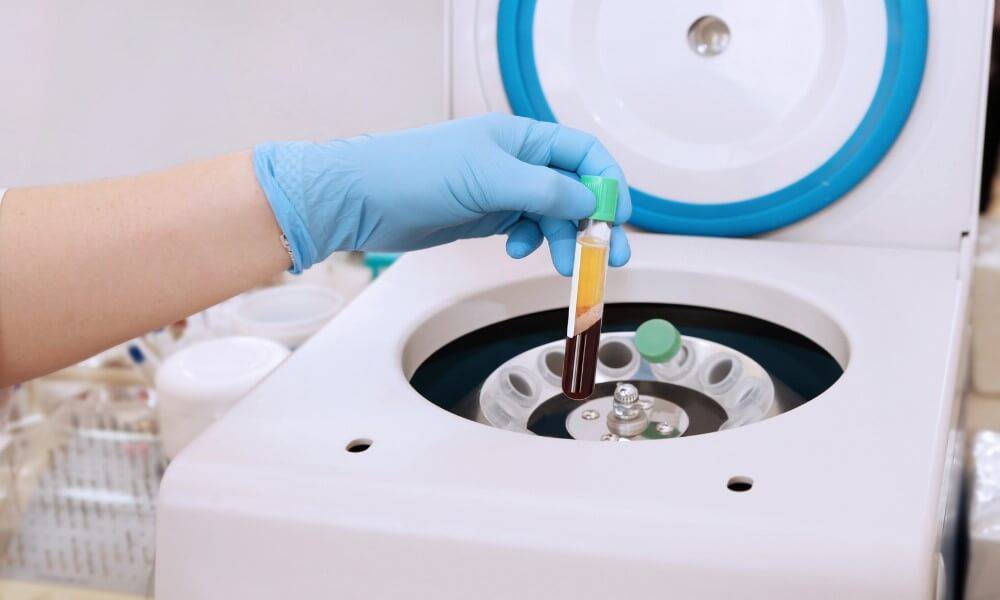
In particular, Platelet Rich Plasma (PRP) treatment is the process of extracting platelets from one’s blood and concentrating them to considerably greater levels than normal using centrifugation. The outcome of this treatment is called Platelet Rich Plasma (PRP).
PRP promotes collagen production and increases blood flow to tissues, both of which are key components in anti-ageing treatments. Your skin texture will improve as PRP encourages the creation of new skin tissue.
Professional athletes have regularly used PRP to improve healing after injury and decrease downtime through natural ways. The technique activates your body’s inherent reparative growth factors, enhancing natural healing. For instance, Tiger Woods used it to hasten his recovery from a golf injury.
I, Dr. De Silva, offer my patients the most advanced high-tech procedures to obtain natural-looking results and a faster recovery. Clinical therapies are constantly improving, and the development of biotechnological treatments is at the forefront of contemporary treatments.
These are therapies that help increase your body’s inherent reparative systems. The body has an inherent ability to mend itself, and biotechnology uses these mechanisms to improve healing.
Our grasp of this technology is still in its early stages, and the science underlying it lags behind clinical advancements and results. Therefore, I, Dr. Julian De Silva, have invested in cutting-edge PRP gold standard equipment to assure the best possible results for my patients.
Platelet Rich Plasma (PRP) and stem cell technology are two technologies that I use for certain purposes and patients.
Platelet Rich Plasma (PRP) therapy is a cutting-edge medicinal and surgical procedure. In fact, many professional athletes have used this technique to speed up their recovery after injuries by naturally stimulating the body’s self-repairing systems.
Tiger Woods is said to have had PRP injections before all four professional golf majors.
Aged skin decreases suppleness. As a result, your skin has a diminished capacity to absorb moisture, has less hyaluronic acid, and, most critically, contains less collagen. Because PRP is your own unique tissue, you are repairing and improving your skin tissue with your own blood.
PRP skin rejuvenation therapy revitalises your skin by increasing blood flow and boosting collagen creation using your own unique tissue growth factors and healing qualities. After four to six weeks, the results improve. This implies that the effects of PRP skin rejuvenation therapy stay longer than chemical treatments.
In addition, PRP decreases wrinkles and blemishes such as acne scars. It can also be used in conjunction with other health and beauty regimens to enhance the general condition of the skin, skin tone, and texture.
In particular, PRP can improve the following:
To start with, we will extract a little sample of your blood for PRP therapy. Your blood will then be processed by a state-of-the-art system. This will concentrate your PRP and growth factors.
The components are then separated to isolate a growth factor concentrate and a PRP concentrate. The product is then re-injected into your skin. It will activate your body’s natural repair mechanisms.
In particular, PRP is administered to your skin at The Centre using micro-needling. It is a non-surgical procedure that administers your PRP to your skin. The process is a therapy in its own right.
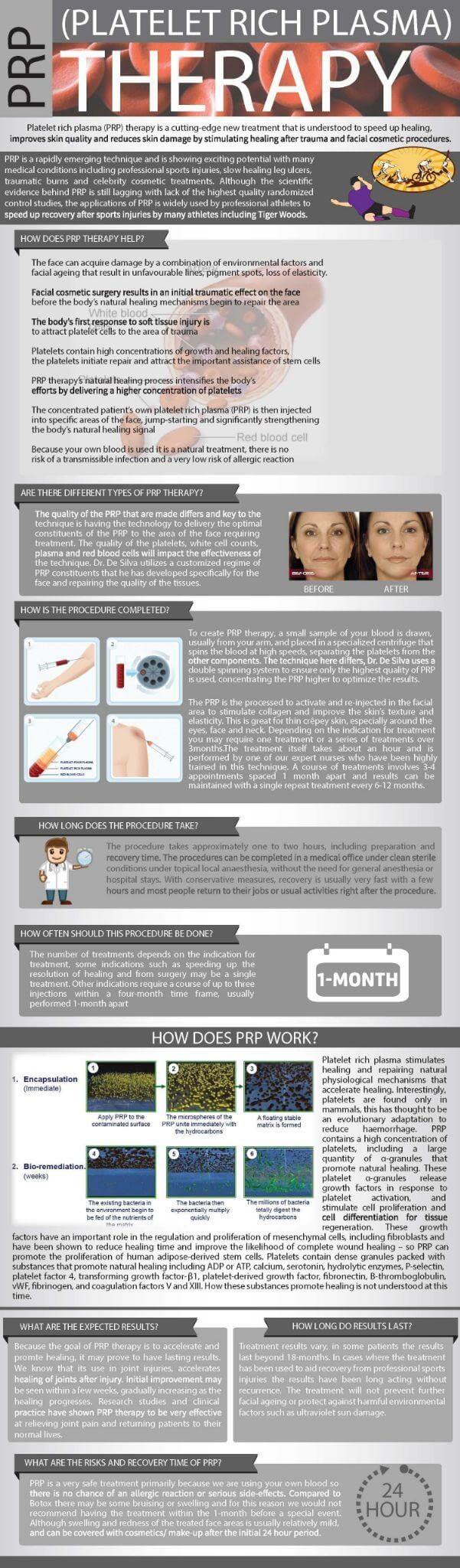
The majority of accessible PRP systems use a simple lab centrifuge. While rapid and easily available, a simple lab centrifuge produces a lesser grade of PRP. Lower quality equipment can only product lower quality PRP.
I, Dr. De Silva, employ cutting-edge equipment that generates high-quality PRP (concentration of >1.5 million platelets/uL). Over the years I have invested in 3 different PRP technology, our current machine takes around 30 minutes to provide the PRP for use. This will then be used in therapeutic application thatI developed.
I frequently use PRP in combination with other surgical therapies to improve healing by utilising natural growth factors as it has been shown to increase skin and soft tissue recovery after injury. Healing is fostered in a natural way by using your own body’s natural healing mechanisms.
Platelet-rich plasma is your unique tissue. In a sense, we use your own blood in repairing and improving your skin tissue. Thus, it is impossible to develop allergies or adverse responses to your own PRP.
Although PRP has been utilised in hundreds of thousands of treatments throughout the world for over 30 years― most notably in maxillary-facial, orthopedic, and cardiac surgery― technical advancements in the last five years gave way to the creation of higher quality PRP. Celebrities such as Tiger Woods has had PRP injected into joints to heal him faster after injury.
When performed by qualified professionals, studies on the safety of PRP have found that treatments are very safe with minimal negative effects. In addition, adverse effects such as transient injection site redness and bruising are often minimal and only last up to five days.
Moreover, patients may occasionally experience transitory symptoms such as redness, swelling or bruising while recovering. Infection is extremely rare and we give patients antibiotics to protect against this.. Nonetheless, it is critical that the therapy be conducted at a CQC licensed site and that sterile measures be used when receiving treatment. All treatments at The Centre are conducted in our specialised facial centre at Harley Street.
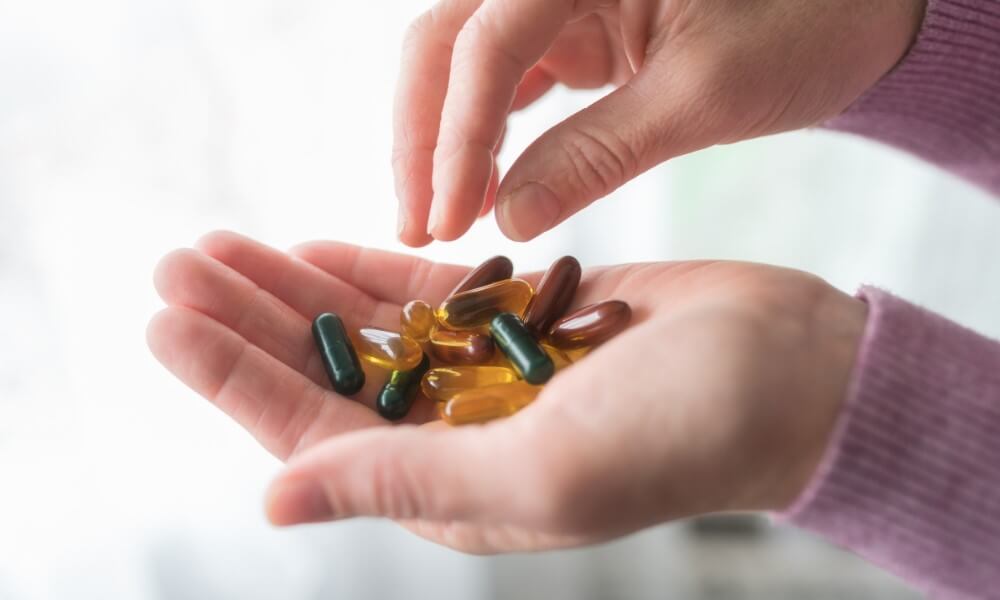
Nutritional supplements make recovery after facial surgery easier.
Currently, we have introduced nutrition supplements to improve patient recovery. We are committed to only providing our patients quality products and information based on sound scientific results. I, Dr Julian De Silva, am continually modifying this list of supplements as science and technology evolves.
Here are the benefits of taking nutritional supplements along with the specific supplements for each benefit:
Arnica montana
Typically, arnica montana, also known as wolfsbane, is used to relieve pain caused by osteoarthritis. Arnica is also used to treat bruising, bleeding, and swelling after surgery. In addition, arnica montana is often used in drinks, sweets, baked goods, and other foods as a flavouring agent.
Bromelain
Following trauma and surgical procedures, bromelain reduces oedema, bruising, pain, and healing time. To increase absorption, it must be taken along with quercetin (included in the formula).
Collagen Peptides
Collagen peptides are created by dissolving entire collagen proteins into smaller fragments. They appear to accumulate in the skin and cartilage when taken orally. Some skin and joint issues may benefit from this.
Furthermore, collagen peptides are employed in the treatment of aged skin and osteoarthritis. In particular, 7000 mg of 2kDal collagen peptide triggers fibroblast cells and HAS2 receptors to produce collagen and hyaluronic acid in the dermis.
MSM (methylsulfonylmethane)
MSM is essential for elastin formation as well as the prevention of collagen fibrosis and crosslinking. It is essential for connective tissue repair and remodeling. Furthermore, MSM is a potent detoxifier. It has anti-inflammatory qualities as well.
Nettle Leaf 2% Silica Powder Extract
Silica (SiO2) is required for the production of collagen and connective tissue after a surgical procedure.
Cardus Marianus
Cardus marianus is a homeopathic medicine traditionally used to treat hepatic problems. It’s also been used to treat high cholesterol and high triglycerides. Furthermore, it focuses on lymphatic drainage.
Thiosinaminum
Thiosinaminum is used to treat scarring. They are solvents for dissolving scar tissue, tumours, enlarged glands, lupus, strictures, and adhesions both externally and internally.
L-Glutamine
L-glutamine is an amino acid that is also known as glutamine. Amino acids are chemicals that help the human body produce protein for nutrition. They can be found in protein-rich foods originating from plants and animals. Protein is, therefore, a nutrient essential for good health.
The most prevalent amino acid present in muscle tissue is L-glutamine. It increases accessible nitrogen, which aids in the metabolic response to damage and protein production.
Vitamin C (As Calcium Ascorbate)
Vitamin C is required for fibroblast cells to produce collagen. It’s also a powerful antioxidant. Furthermore, considerable scientific data shows that it aids healing and recovery.
Vitamin B Complex
Vitamin B complex is a vital anti-oxidant compound. The vitamin supports nutrient delivery through optimizing capillary dilation. Since patients may experience low moods after surgery, taking vitamin B6 and B12 can help them feel good.
Vitamin A- Retinol Acetate
Vitamin A is required for epithelial tissue development, differentiation, and maintenance. In fact, low vitamin A levels are linked to increased keratin release. This makes membranes rigid, dry, and unable to perform regular tasks. It is also involved in the regulation of normal cell growth.
Natural Mixed Carotenoids
To decrease oxidative damage to DNA, natural mixed carotenoids are transformed into vitamin A. Vitamin C aids in the preservation of carotenoids in tissues.
Citrus Bioflavonoids
Citrus bioflavonoids aid in the reduction of edema and bruising. They are also required for the absorption of vitamin C. Furthermore, they work together to preserve and restore capillaries. Finally, they have anti-viral characteristics, which support your immune system.
L-Lysine
L-lysine is an essential amino acid. It aids in the cellular integration of collagen. Furthermore, L-lysine is a potent immune system enhancer.
N-Acetyl-L-Cysteine
Cysteine is found in the alpha-keratin component of fingernails, skin, and hair. It aids in the detoxification of toxic substances. Cysteine is also a precursor to glutathione, a powerful antioxidant with anti-ageing properties.
This substance also promotes recovery after surgery and serious burns. It is most effective when combined with selenium.
Zinc Gluconate
Zinc gluconate is a potent immune booster. It is necessary for skin repair. Furthermore, matrix metalloproteinases (MMPs) are a zinc-dependent protein family that is involved in tissue remodeling and wound healing. It is essential for the creation of enzymes such as the potent superoxidant dismutase.
Papain
Papain is a well-known traditional pain, inflammation, and swelling therapy. It has also been used to treat infections, diarrhea, allergies, and to aid digestion. Moreover, it aids in the relief of pain, swelling (inflammation), and fluid retention following trauma and surgery.
Magnesium Citrate
Magnesium, in particular, can help with chronic pain by counteracting the relaxing effects of calcium on muscles and neurons. It acts as a stifling agent in overstimulated neural receptors. As a result, magnesium can assist to alleviate postoperative discomfort.
Hypericum Perforatum
Hypericum perforatum is a well-known treatment for shooting or jabbing pain, particularly in the presence of neurological impairment. It focuses on pain and discomfort following surgery.
Arnica Cream (100 ml)
Arnica cream is recommended for the treatment of mild injuries. It can be used both before and after playing sports. The gel swiftly penetrates deep into the tissue layers, offering a pleasant sensation of comfort.
The cream can also be used to treat minor injuries. It protects inflamed tissue and reduces swelling caused by bruises, sprains, strains, tendonitis, and haematomas (not on the skin).
Arnica cream can also be used for sports massages. The gel aids in the maintenance of correct muscle tone during physical exertion and facilitates recovery thereafter.
To use this cream, apply a layer of gel several times a day to the affected area. Massage until the gel is fully absorbed. It is non-greasy and will not stain. The cream also contains no preservatives or dyes.

Having a healthy lifestyle helps facilitate faster recovery after facial surgery.
Here’s what you can do to further facilitate faster recovery after facial surgery:
● Wear sun protection.
Ultraviolet rays from the sun and other sources speed up facial aging. They also contribute to more fine lines, wrinkles, and hyperpigmentation. Hence, I advise you to protect your skin from the sun by applying sunscreen with at least SPF 30 every day.
● Maintain a healthy lifestyle.
I also suggest that you maintain a healthy lifestyle to speed up your recovery after facial surgery. For one, avoid smoking at all costs.
Smoking decreases the oxygen delivered to your body. It also slows recovery down and makes your skin prone to scarring.
In addition, healthy living means saying no to alcohol and eating a well-balanced diet during recovery. Getting enough nutrients and drinking plenty of water to maintain daily hydration have positive effects on your recovery and your general health.
● Avoid exercise for three weeks after surgery.
Intense physical activity raises your blood pressure. Increased blood pressure makes bruising and swelling more intense. As a result, you need more time to recover from facial surgery.
For this very reason, I recommend avoiding exercising and doing other intense physical activities for three weeks after surgery.
● Proper hydration helps you heal.
Proper hydration helps facilitate faster recovery after facial surgery.
Make sure you have plenty of water available and in arm’s reach. Drink plenty of water to keep your body’s natural healing mechanisms working. Drinking water will also flush out the remnants of the medication you are taking, so it’s a win-win situation.
● Have your surgeon’s number at all times and follow instructions.
You must always have your surgeon’s contact number or email to clarify and confirm questions.
After your surgery, your doctor may give you aftercare guidelines. Follow them closely. Your doctor may also recommend over-the-counter products to counteract the side effects of the surgery. Make sure to get all these products and use them as directed.

What you do before the surgery is just as crucial as what you do after the surgery.
Make sure to follow the pre-surgery guidelines I give. These guidelines include the following:
Physical and emotional healing are both required for faster recovery after facial surgery. If you follow the tips I gave above and take care of your mental health after your surgery, healing tends to be faster and my patients have a smoother recovery.
My team and I will support you during your journey and recovery. We will do everything we can to help you recover as fast as possible.
If you are looking for a world-class plastic surgeon who will take care of you before and after your surgery, book a consultation with Dr. Julian De Silva now.
Renowned expert in Facial Cosmetic and Plastic Surgery. Signature techniques in Blepharoplasty, Rhinoplasty and Facelift surgery. Expert in revision surgery and in natural looking results